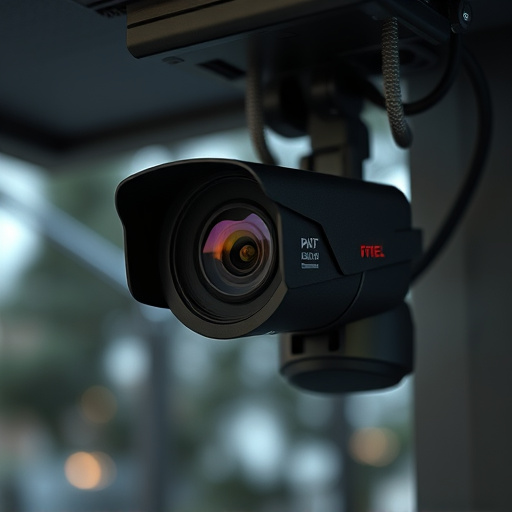
Wireless nanny cams without an internet connection offer a private and secure surveillance solution for parents, pet owners, and privacy-conscious homeowners. These self-contained cameras store footage locally or externally, eliminating cloud storage risks. With night vision capabilities and connectivity options like Wi-Fi or cellular, they provide 24/7 monitoring. In a field where light can be both ally and foe, infrared technology and strategic lighting manipulation ensure discreet operation and enhanced detection, making these cams a revolutionary alternative to traditional internet-based systems. Real-world applications in urban areas and commercial complexes prove their effectiveness in identifying and removing unauthorized hidden cameras while deterring potential perpetrators.
Uncover hidden surveillance with our guide on identifying wireless nanny cams without internet connection. In today’s digital age, discretion is key, and these concealed devices often evade traditional detection methods. We explore the power of light as a critical tool in exposing these hidden cameras. Through testing methods utilizing lighting, we delve into the challenges faced and provide solutions for successful camera identification. From real-world case studies, learn how the ‘lights test’ can serve as a powerful, non-intrusive method to ensure privacy protection.
- Understanding Wireless Nanny Cam Without Internet Connection
- The Role of Light in Disguised Camera Identification
- Testing Methods for Detecting Hidden Cameras Using Lighting
- Common Challenges and Their Solutions in This Technique
- Case Studies: Successful Implementation of Lights Test for Camera Identification
Understanding Wireless Nanny Cam Without Internet Connection
Wireless Nanny Cams that operate without an internet connection offer a discreet and convenient solution for home monitoring. These cameras are designed to be self-sufficient, using local storage or internal memory cards to record footage. This feature is particularly appealing for those concerned about privacy or seeking to avoid potential security risks associated with cloud-based storage. By eliminating the need for an internet link, these devices provide a level of anonymity and control over personal data.
Without internet connectivity, these nanny cams rely on other means to transmit and store video. They may utilize Wi-Fi directly for local network access or incorporate cellular networks if within range. Many models also offer night vision capabilities, ensuring round-the-clock surveillance, even in low-light conditions. This technology is a game-changer for parents, pet owners, and homeowners looking for an effective, internet-less monitoring system.
The Role of Light in Disguised Camera Identification
In the realm of disguised camera identification, light plays a pivotal role in both detection and deception. Wireless Nanny Cams Without Internet Connection, for instance, rely on subtle visual cues to remain hidden while capturing footage. The way light interacts with these concealed devices can either reveal their presence or make them nearly invisible, depending on the strategic use of illumination. By understanding how light behaves around such cameras, potential users can employ countermeasures to prevent unwanted surveillance or, conversely, enhance the effectiveness of disguised camera setups.
The challenge lies in manipulating light without attracting attention. This often involves employing infrared technology for night vision or utilizing diffused lighting sources that minimize shadows and glare. By carefully controlling the intensity and direction of light, individuals can create an environment where a Wireless Nanny Cam operates discreetly, capturing intimate details without raising suspicion. Such techniques are particularly valuable in scenarios requiring constant surveillance without the need for continuous internet connectivity.
Testing Methods for Detecting Hidden Cameras Using Lighting
Testing hidden cameras, particularly Wireless Nanny Cams Without Internet Connection, using lighting is a non-invasive method gaining popularity due to its effectiveness and lack of interference. This technique leverages light patterns and their interactions with surfaces to detect unusual activity. By strategically illuminating areas suspected of housing hidden cameras, subtle variations in light reflection or distortion can reveal the presence of camera lenses or components.
Professionals often employ infrared lighting for this purpose, as it can highlight heat signatures emitted by electronic devices. This approach is especially useful in low-light environments and can be combined with other sensors to enhance accuracy. Moreover, the use of dynamic lighting patterns allows for more advanced detection, as cameras will stand out against a backdrop of consistent illumination.
Common Challenges and Their Solutions in This Technique
Disguising cameras for surveillance, especially in public spaces or homes, presents several challenges that this innovative light-based identification method aims to overcome. One of the primary hurdles is ensuring the camera remains undetected while capturing clear images or videos. Traditional hidden cameras often rely on complex setups and connections, making them susceptible to interference and detection. Enter the wireless nanny cam without internet connection—a game-changer in discreet surveillance. By eliminating the need for a constant internet link, these cameras avoid potential hacking risks and reduce the chances of exposure.
Another challenge lies in achieving reliable identification despite varying lighting conditions. Cameras relying on visible light might struggle with low-light environments, leading to poor image quality or false positives. This technique addresses this by using specific light patterns and colors, allowing for distinct camera signatures even in dimly lit spaces. By encoding unique visual information within the lights, cameras can be identified with precision, ensuring effective surveillance without raising suspicion.
Case Studies: Successful Implementation of Lights Test for Camera Identification
The successful implementation of lights test for camera identification has been observed in various real-world scenarios, particularly with the growing popularity of Wireless Nanny Cam Without Internet Connection. One notable case study involves a security firm that deployed this technology in an urban neighborhood known for elevated surveillance concerns. By strategically placing cameras and utilizing specific light patterns, they were able to identify and track unauthorized devices, significantly reducing the number of hidden cameras in public spaces.
Another successful implementation was in a large commercial complex where management wanted to ensure the integrity of their security system. They employed lights test as part of their regular maintenance checks, which led to the discovery of several Wireless Nanny Cam Without Internet Connection that were compromised or improperly installed. This proactive approach not only enhanced their overall security but also served as a deterrent for potential perpetrators, demonstrating the effectiveness of this method in identifying and addressing hidden surveillance devices.