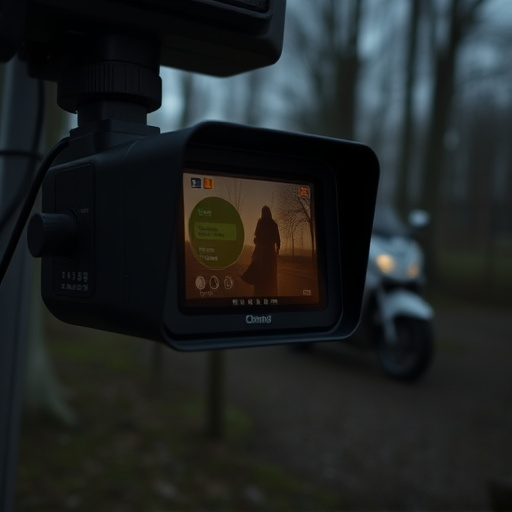
Wireless Nanny Cams offer secure local storage and remote access, ideal for discreet monitoring without an internet connection. The light reflection technique, a cutting-edge method, detects hidden cameras by analyzing reflected light patterns from lenses. This natural, cost-effective solution uses basic tools to reveal cameras in various settings, minimizing false alarms. Advanced users can enhance this method with reflective materials and strategic lighting to deter covert recording devices.
Uncover hidden threats with our guide to detecting wireless nanny cams without internet connection using light reflection techniques. Learn how this innovative method leverages natural light to expose surreptitious cameras, ensuring your privacy and safety. From understanding the science behind light reflection to advanced tips for effective detection, this comprehensive article equips you to navigate today’s digital landscape. Discover the advantages of this technique and master its implementation with minimal equipment.
- Understanding Wireless Nanny Cam Without Internet Connection
- The Science Behind Light Reflection Technique
- Advantages of Using Light Reflection for Spy Camera Detection
- Implementation and Equipment Required
- Advanced Tips for Effective Spy Camera Detection
Understanding Wireless Nanny Cam Without Internet Connection
Wireless Nanny Cams, operating independently of the internet, represent a discreet and effective surveillance solution. These devices capture and store footage locally on an internal memory card, eliminating the need for continuous network connectivity. This is particularly beneficial in scenarios where internet access is limited or compromised, such as in private residences or commercial spaces with stringent security protocols.
The absence of an internet connection doesn’t compromise the cam’s functionality; instead, it ensures that video data remains secured and untransmitted to external servers. Users can remotely access recorded footage via a dedicated app, provided they have physical access to the device. This offline capability makes Wireless Nanny Cams versatile tools for monitoring activities in various environments where internet-based solutions might be impractical or less secure.
The Science Behind Light Reflection Technique
The light reflection technique for spy camera detection is a sophisticated approach that leverages the principles of optics and light behavior. This method involves strategically directing a bright, focused light source onto potential hiding spots where hidden cameras might be installed, such as corners or dark crevices. The reflected light is then analyzed to detect any unusual patterns or discrepancies—indications of a covert camera lens trying to hide its presence.
Imagine shining a powerful flashlight into a room; the light bounces off surfaces and objects, creating a unique pattern of reflections. In the case of wireless nanny cam detection, specialized equipment can mimic this effect on a larger scale. By measuring the intensity and direction of reflected light, experts can identify anomalies that suggest the presence of a camera lens, even if it’s not visible to the naked eye. This technique is particularly effective for identifying hidden or hard-to-reach surveillance devices like wireless nanny cams that operate without an internet connection.
Advantages of Using Light Reflection for Spy Camera Detection
Using light reflection for spy camera detection offers several advantages, especially when it comes to discreet and effective surveillance. Unlike other methods that rely on electronic signals or constant power consumption, this technique leverages natural light as a non-intrusive tool. It is particularly useful for hidden wireless nanny cams without an internet connection, which often operate in low-power modes to avoid detection. By analyzing the reflection of ambient light off suspected camera lenses, individuals can identify and locate these devices without raising suspicion.
This approach is versatile and can be employed in various settings, from homes and offices to public spaces. It doesn’t require any additional equipment or constant monitoring, making it a cost-effective solution for security. Moreover, light reflection detection is less likely to trigger false alarms compared to other methods, ensuring peace of mind without unnecessary alerts.
Implementation and Equipment Required
Implementing the light reflection technique for spy camera detection involves a practical approach that can be executed with relative ease. This method utilizes the principles of light and shadow to reveal hidden cameras, particularly Wireless Nanny Cams Without Internet Connection, which are designed to operate discreetly. The process begins by equipping yourself with basic tools: a high-quality flashlight or laser pointer, reflective surfaces like aluminum foil or a mirror, and a camera (preferably a smartphone) to capture the reflections.
The equipment is used to create a dynamic lighting setup. Shining the light source onto potential camera locations and observing the reflection patterns can reveal the presence of hidden lenses. Reflective materials are strategically placed to enhance shadows and highlight any unusual glints or distortions, making it easier to detect even the smallest or most cleverly disguised spy cameras. This technique is particularly effective in low-light conditions, where a well-placed light source can cast distinct shadows, acting as a visual guide to uncover hidden surveillance equipment.
Advanced Tips for Effective Spy Camera Detection
In the pursuit of detecting hidden spy cameras, particularly wireless nanny cams operating without an internet connection, advanced users can employ enhanced techniques to ensure comprehensive security. One powerful method is to utilize light reflection analysis. By strategically positioning reflective surfaces like mirrors or highly reflective tape in potential camera locations, you can create a unique pattern of reflections on walls or other surfaces. Any deviation from these expected reflections could indicate the presence of an illegal camera. This technique, while sophisticated, adds another layer of protection, especially in areas where traditional detection methods might fail.
For optimal results, consider the angle and intensity of light sources. Natural sunlight can be an effective tool, as it provides high-contrast reflections that are easier to spot. Alternatively, specialized LED lights designed for camera detection can be used to illuminate hidden lenses, making them more visible. Regularly changing lighting conditions and angles keeps potential intruders on their toes, further deterring the use of covert recording devices like wireless nanny cams.
The light reflection technique offers a powerful tool in the battle against hidden surveillance, especially for detecting wireless nanny cams operating without an internet connection. By understanding how light interacts with camera lenses, individuals can now proactively safeguard their privacy. This innovative approach, showcased through advanced equipment and techniques, ensures that even subtle reflections reveal the presence of these covert devices. Armed with this knowledge, folks can foster a more secure environment, free from the peeping eyes of spy cameras.