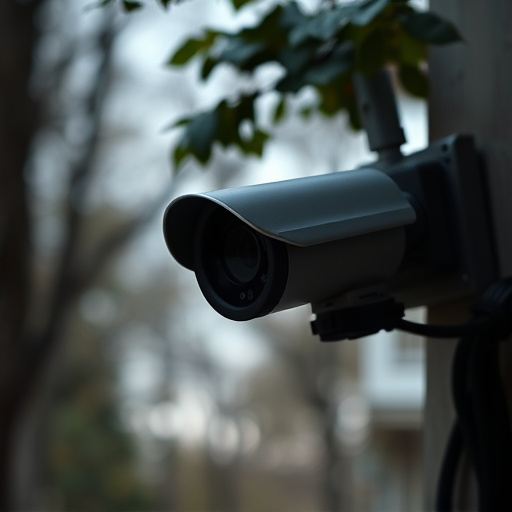
Modern wireless nanny cams offer enhanced privacy by transmitting video directly without internet, mitigating unauthorized access risks. To detect these hidden cameras, use specialized RF detector tools like scanners and antennas, along with safety gear. Sweep the area systematically for beeps or tones, then visually confirm signals. Effective strategies include frequency calibration, understanding local laws, minimizing interference, and staying informed about device updates to maintain surveillance effectiveness.
Uncover hidden surveillance with our comprehensive guide to detecting wireless nanny cams without internet connection. This tutorial focuses on using an RF (radio frequency) detector sweep, a powerful tool for identifying covert cameras operating within the radio spectrum. Learn the essential steps and tools required to navigate this intricate process effectively. From understanding the technology to mastering detection techniques, this guide empowers you with the knowledge to ensure privacy and safety in your environment.
- Understanding Wireless Nanny Cam Without Internet Connection
- Tools and Equipment Required for the RF Detector Sweep
- Step-by-Step Tutorial on Detecting Hidden Cameras
- Tips and Precautions for Effective Surveillance Using RF Detection
Understanding Wireless Nanny Cam Without Internet Connection
Many modern wireless nanny cams come equipped with internet connectivity, but for enhanced privacy and security, some users prefer operating them Wireless Nanny Cam Without Internet Connection. These cameras are designed to transmit video footage directly to a recipient’s device without relying on an active internet connection. This means that even if the camera’s network is compromised or the internet service is down, the feed remains accessible.
By avoiding reliance on the internet, these cams offer several advantages. They reduce the risk of unauthorized access due to network vulnerabilities and ensure continuous monitoring. Additionally, they can be particularly useful in remote locations where internet connectivity may not be reliable or available.
Tools and Equipment Required for the RF Detector Sweep
To successfully perform an RF detector sweep for a hidden wireless nanny cam without internet connection, several specific tools and equipment are essential. Firstly, you’ll need an RF (radio frequency) detector or scanner capable of picking up signals within the relevant range, typically 2.4 GHz and 5 GHz bands where many wireless devices operate. These detectors can be handheld or table-mounted, depending on your preference and the size of the area to be scanned.
Additionally, you’ll require a set of high-quality antennas suitable for RF detection, as these will enhance the sensitivity of your scanner. A directional antenna is particularly useful for pinpointing signal sources, while a passive receiver with an amplifier can help detect weaker signals. Other necessary gear includes a laptop or device to log and analyze scan data, along with protective gear like gloves and eye wear for safety during the sweep process.
Step-by-Step Tutorial on Detecting Hidden Cameras
Step-by-Step Tutorial on Detecting Hidden Cameras
The first step in detecting a wireless nanny cam without an internet connection is to purchase or access a reliable RF (radio frequency) detector. These devices are designed to pick up signals from various electronic devices, including hidden cameras. Once you have your detector, start by sweeping the area where you suspect the camera might be located. Move the device in a systematic pattern, covering every corner and crevice thoroughly.
As you sweep, listen carefully for any beeps or tones emitted by the detector. These sounds indicate the presence of radio frequency signals, which could suggest the operation of a hidden camera. If you detect a signal, narrow down the area further and double-check using a visual search as well. Remember, practice makes perfect; the more you use your RF detector, the better you’ll become at identifying hidden cameras without relying on internet connections.
Tips and Precautions for Effective Surveillance Using RF Detection
When using a radio frequency (RF) detector for hidden camera surveillance, especially with a wireless nanny cam without an internet connection, it’s crucial to employ strategic tips and take necessary precautions. First, ensure your RF detector is properly calibrated and sensitive enough to detect the specific frequencies used by your target device. Since many modern devices operate on unlicensed bands, understanding local regulations regarding RF monitoring is essential to avoid legal pitfalls.
To maximize effectiveness, conduct surveillance in areas where signal interference is minimal. Walls, appliances, and other obstructions can disrupt RF signals, so strategic placement of both the detector and camera is key. Additionally, regular updates on device frequency modifications are vital, as hidden cameras often receive software upgrades that change their operating frequencies. Staying informed ensures your detection equipment remains effective in uncovering these clandestine devices.
Detecting hidden cameras using an RF detector sweep is a powerful tool for ensuring privacy, especially for those utilizing wireless nanny cams without internet connection. By understanding the technology and employing the right equipment, you can navigate the process outlined in this tutorial to effectively uncover covert surveillance devices. Remember that proactive measures and staying informed about your surroundings are key to safeguarding your personal space.